
common steel slab defects and methods for preventing it

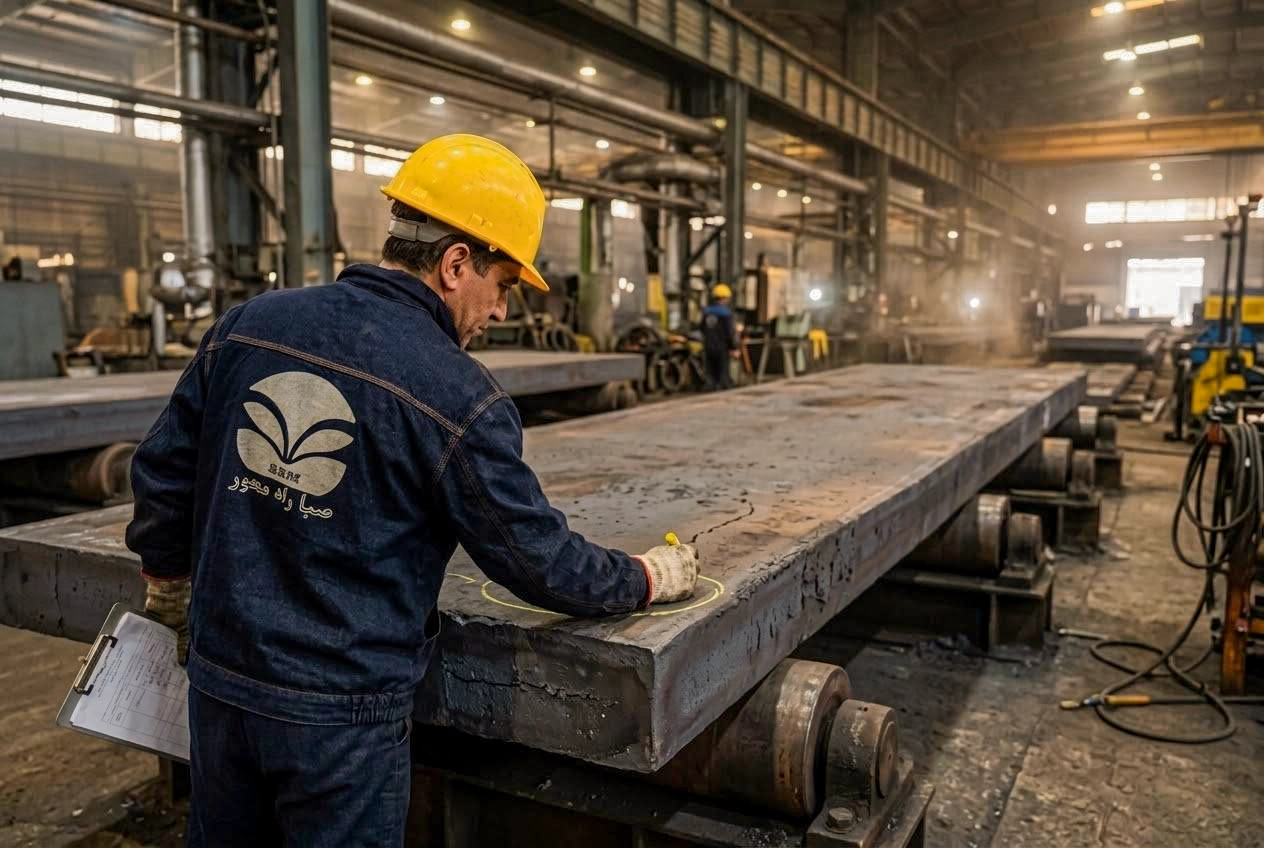
The quality of a steel slab depends not only on the chemical composition of the steel but also directly on casting and solidification conditions. Inadequate control of temperature, casting speed, cooling, or molten steel flow may lead to common steel slab defects such as surface and subsurface cracks, centerline segregation, porosity, and entrapped inclusions. Some of these defects can be detected during slab inspection, while others remain inside the slab and may even be carried over into the final product during subsequent rolling operations. Therefore, identifying the origin of defects and controlling process parameters are essential parts of ensuring slab quality.
What Are the Most Important Common Steel Slab Defects?
Slab defects can be classified according to their location into surface, subsurface, and internal defects. Each group has a different origin, and specific continuous casting process parameters must be examined to control them.
The most important defects include:
- Longitudinal and transverse cracks
- Subsurface and internal cracks
- Centerline segregation
- Central porosity and shrinkage cavities
- Entrapment of non-metallic inclusions
- Deep oscillation marks caused by mold oscillation
- Deformation and surface depressions of the slab
The occurrence of these defects is usually not limited to a single factor. Factors such as molten steel temperature, casting speed, cooling, mold oscillation, molten steel flow, and roll condition can simultaneously affect slab quality.
Slab Cracks; One of the Most Important Casting Defects
A slab crack may form on the surface, beneath the surface, or in the internal region of the slab. Surface cracks are generally caused by thermal and mechanical stresses, non-uniform cooling, improper mold conditions, or an inappropriate casting speed.
Longitudinal cracks develop along the direction of slab movement and are considered important surface defects. Non-uniform cooling in the mold, fluctuations in the molten steel level, high casting speed, excessively high molten steel temperature, and improper mold powder are among the factors that contribute to the formation of these cracks.
To reduce the likelihood of cracking, the following factors should be carefully controlled:
- Uniformity of primary and secondary cooling
- Casting speed appropriate for the steel grade
- Proper mold performance and oscillation
- Condition and wear of the copper mold
- Proper alignment of equipment and rolls
Subsurface and internal cracks may also develop due to stresses caused by solidification, straightening, bending, or deformation of the solidified shell. Proper support of the steel strand by the rolls and accurate control of roll spacing are important factors in preventing these types of defects.
How Can Slab Cracking Be Prevented?
Preventing cracks requires simultaneous control of the thermal and mechanical conditions of the process. Proper adjustment of cooling intensity, casting speed, roll alignment, and mold conditions can reduce the likelihood of crack formation. Sudden changes in temperature and process speed should also be minimized as much as possible.
What Is Centerline Segregation in a Steel Slab?
Centerline Segregation is one of the most important internal slab defects and forms in the central region of the slab during solidification. In this phenomenon, the concentration of certain elements in the steel, such as carbon, manganese, sulfur, and phosphorus, increases in the central region compared with other areas.
One of the factors contributing to this defect is the flow of enriched molten steel through the interdendritic spaces, as well as deformation of the steel strand during the final stages of solidification. Bulging or deformation between rolls can drive the enriched molten steel toward the centerline and intensify segregation.
To reduce centerline segregation, controlling casting temperature, casting speed, secondary cooling, and roll support conditions is important. Some casting lines also use electromagnetic stirring (EMS) to improve the solidification structure and reduce centerline segregation and porosity.
[Image 2: Centerline segregation and the internal structure of a slab — Alt: Centerline segregation in a steel slab and solidification-related defects]
Porosity and Inclusion Entrapment in Slabs
Central porosity and cavities may develop as a result of solidification shrinkage and unfavorable flow and feeding conditions of the steel in the central region of the slab. Controlling roll spacing and preventing excessive strand deformation during the final stages of solidification are effective measures for reducing these defects.
On the other hand, non-metallic inclusions, such as oxide particles, may remain in the molten steel and become trapped inside the solidifying shell during solidification. These inclusions can reduce the surface and internal quality of the slab and subsequently affect the quality of the rolled product.
To control inclusions, steel refining, proper deoxidation, prevention of reoxidation, control of steel flow in the tundish and mold, and proper use of the molten steel flow protection system are important.
Key Slab Quality Control Measures
Preventing defects is more effective and less costly than correcting defective slabs after production. Therefore, quality control should begin with molten steel preparation and continue through slab discharge.
| Control Factor | Effect on Slab Quality |
|---|---|
| Molten steel temperature | Controls solidification conditions and reduces certain internal defects |
| Casting speed | Controls solidification time and reduces the likelihood of cracking |
| Mold cooling | Prevents non-uniform solidification and surface cracks |
| Secondary cooling | Controls the solidification rate and thermal stresses |
| Roll spacing and alignment | Reduces bulging, internal cracking, and segregation |
| Steel flow in the mold | Reduces inclusion entrapment and molten steel level fluctuations |
| Electromagnetic stirring | Helps improve the solidification structure and reduce centerline segregation |
These parameters must be controlled according to the steel grade, slab dimensions, and casting line conditions; a fixed setting is not suitable for all production conditions.
[Image 3: Slab quality control and cooling system in continuous casting — Alt: Steel slab quality control during the continuous casting process]
Conclusion
Common steel slab defects are generally the result of interactions among metallurgical, thermal, and mechanical factors during the casting process. Slab cracking, centerline segregation, porosity, inclusion entrapment, and surface defects are among the most important issues that can affect slab quality and the quality of final products produced through rolling.
Accurate control of molten steel temperature, casting speed, cooling, steel flow in the mold, and roll condition plays an important role in reducing these defects. Achieving consistently high-quality slabs requires continuous process monitoring and identification of the root cause of each defect.
If you need consultation regarding steel slab quality assessment, selecting the right product, or requesting a price quotation, you can contact Hamgar Holding and benefit from the guidance of its experts.
Frequently Asked Questions
1. What Are the Most Important Common Steel Slab Defects?
Surface and internal cracks, centerline segregation, porosity, inclusion entrapment, and certain shape and surface defects are among the most important slab defects in the continuous casting process.
2. Why Do Slab Cracks Occur?
Cracks may occur due to non-uniform cooling, inappropriate casting speed, thermal and mechanical stresses, improper mold conditions, and equipment alignment problems.
3. What Is Centerline Segregation?
Centerline segregation refers to the higher concentration of certain chemical elements in the central region of the slab as a result of the solidification process and the flow of enriched molten steel.
4. How Can Slab Defects Be Prevented?
By controlling casting temperature and speed, adjusting cooling, controlling molten steel flow, properly maintaining the mold and rolls, and continuously monitoring the process, the likelihood of defect formation can be reduced.